


Trending Content - Sales and Trading Forum
Career Resources
Career Resources
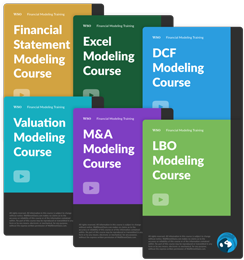
Get instant access to lessons taught by experienced private equity pros and bulge bracket investment bankers including financial statement modeling, DCF, M&A, LBO, Comps and Excel Modeling.





In addition to voting rights, preferred equity generally carries a minimum return (e.g., 8%) that is usually paid-in-kind.
Preferred equity is also senior to common equity in the capital structure, so holders of preferred securities have the right to receive up to 100% of their principal + accrued PIK interest before the common equity sees a dime.
The offset to this, of course, is that preferred equity doesn't generally participate in the upside that common equity receives.
Because of this tradeoff, preferred units may trade at a discount or a premium to common units depending on a number of factors, including specific terms of the preferred equity, the risk profile of a company and its capital structure.
Also depending on the terms of the call provision, there may be a certain discount baked in.
Most likely the preferred stock is callable, and it will rarely (probably never) trade above the call price. So if the ordinary shares exceed the call price of the p/s, the preferred stock will trade at a discount to the common stock.
also, preferred stock tends to be less liquid so you've got a liquidity/marketability discount built in.
this site is great, thanks very much for all those answers.
are most pref stock convertable?
"Most likely the preferred stock is callable, and it will rarely (probably never) trade above the call price. "
depends on time to call, this can certainly happen....preffered paying 7%, 5yrs to first call, then rates drop or the credit improves dramatically and bingo you're above par.
I actually have a question; preferred essentially seems to act like a bond but I'm guessing the dividends aren't tax deductible, unlike coupon payments? Wouldn't that be enough of an incentive for firms to minimize preferred stock as much as possible? In reality, the increased leverage should be worth the tax shield given the relatively small ratio of preferred to ordinary.
Preferred stock is generally used as a more flexible form of financing than debt, since the payments are usually PIK (i.e., non-cash) and only get paid out when funds are sufficient (e.g., having insufficient proceeds required to pay the full PIK on preferred equity would not trigger a technical default as it would with sub-debt or mezzanine financing).
Within the context of LBO's, preferred equity is often a larger portion of total equity than common equity (e.g., a deal structure may have 99% preferred and only 1% common equity); this is particularly useful when structuring options for the management team, since the accrual of preferred equity interest during a hold period eats into the value of common equity, which serves to dilute the common equity pool for management's options, thus raising the hurdle for management (effectively, the PIK accruals on preferred equity transfer proceeds that would otherwise be diluted by management options into a more senior pool of non-diluted, preferred proceeds for the principal equity investors).
Sorry way off topic here, but I can't access any of the links on the main "forum" page i.e. Traders train, ibanking pen etc.
I get an "access denied - you don't have authorization" etc message (not the IE one, but from WSO).
I couldn't get to the correct part of the site to post this, so i dumped it here ( i can access the thread links off the very main page).
look up trust preferred securities. they show up as debt on the b/s for purposes of tax shield, but still provide dividends to investors thru a trust vehicle. nice structure, and you would think companies would try to maximize it. but, i have heard that if used too much, regulators might crack down on it. unless somebody else has a better explanation on why trust preferred's are not used more extensively..
because preferred smells and doesn't come in as many colors
Eum reprehenderit dolore in perspiciatis. Voluptatibus laudantium recusandae ducimus labore sed suscipit quia. Sit reprehenderit dolor esse facere voluptas deserunt. Iusto molestias consequatur autem quidem nemo veritatis qui.
Dolores vitae placeat cumque aperiam. Suscipit provident neque excepturi placeat. Inventore iure non autem repellat commodi. Modi molestiae reprehenderit dolor architecto soluta.
Est sit tenetur saepe sit. Rerum culpa ad aut cum aut ea. Libero non ea et quos.
See All Comments - 100% Free
WSO depends on everyone being able to pitch in when they know something. Unlock with your email and get bonus: 6 financial modeling lessons free ($199 value)
or Unlock with your social account...